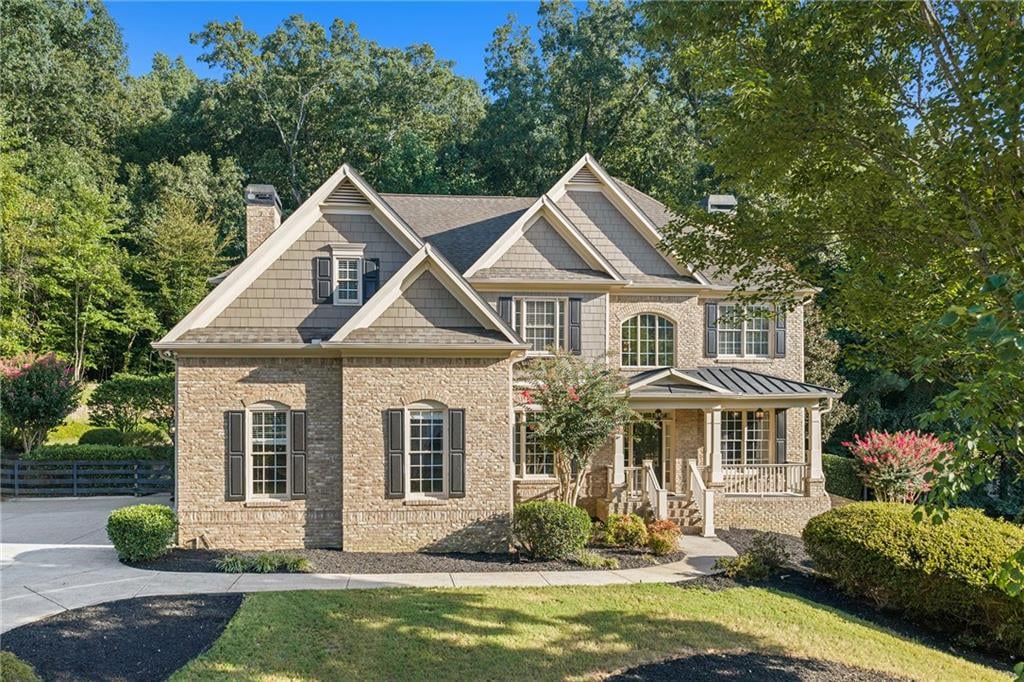
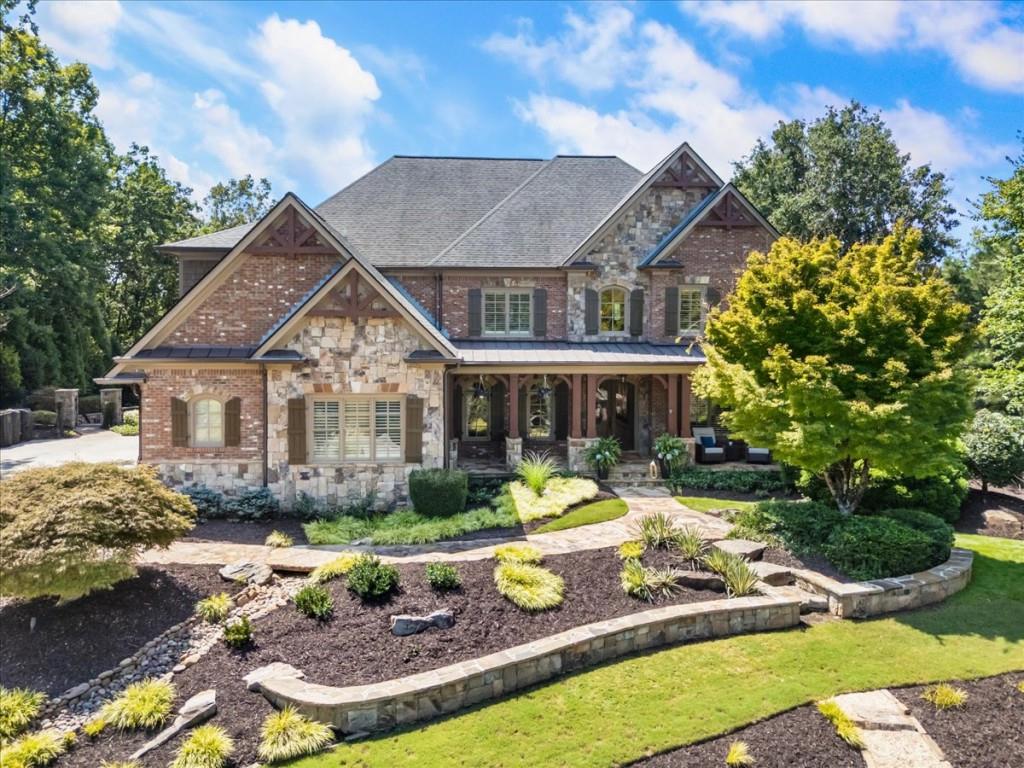
Homeowners insurance is one of those things you hope you never need but are incredibly grateful for when you do. Whether you’re buying your first home, upgrading to a larger property, or simply trying to better understand your current coverage, it’s essential to know what homeowners insurance actually covers. You’ve likely heard about policies protecting your house from disasters, but what does that really mean? How much protection does it offer, and what are the exceptions you should watch for?
This guide breaks it all down so that you can understand what your policy is designed to cover and how to make wise decisions about protecting your investment. Read on to dive into what you need to know before you file a claim, face a disaster, or review your policy for the first time.
Coverage For Your Dwelling
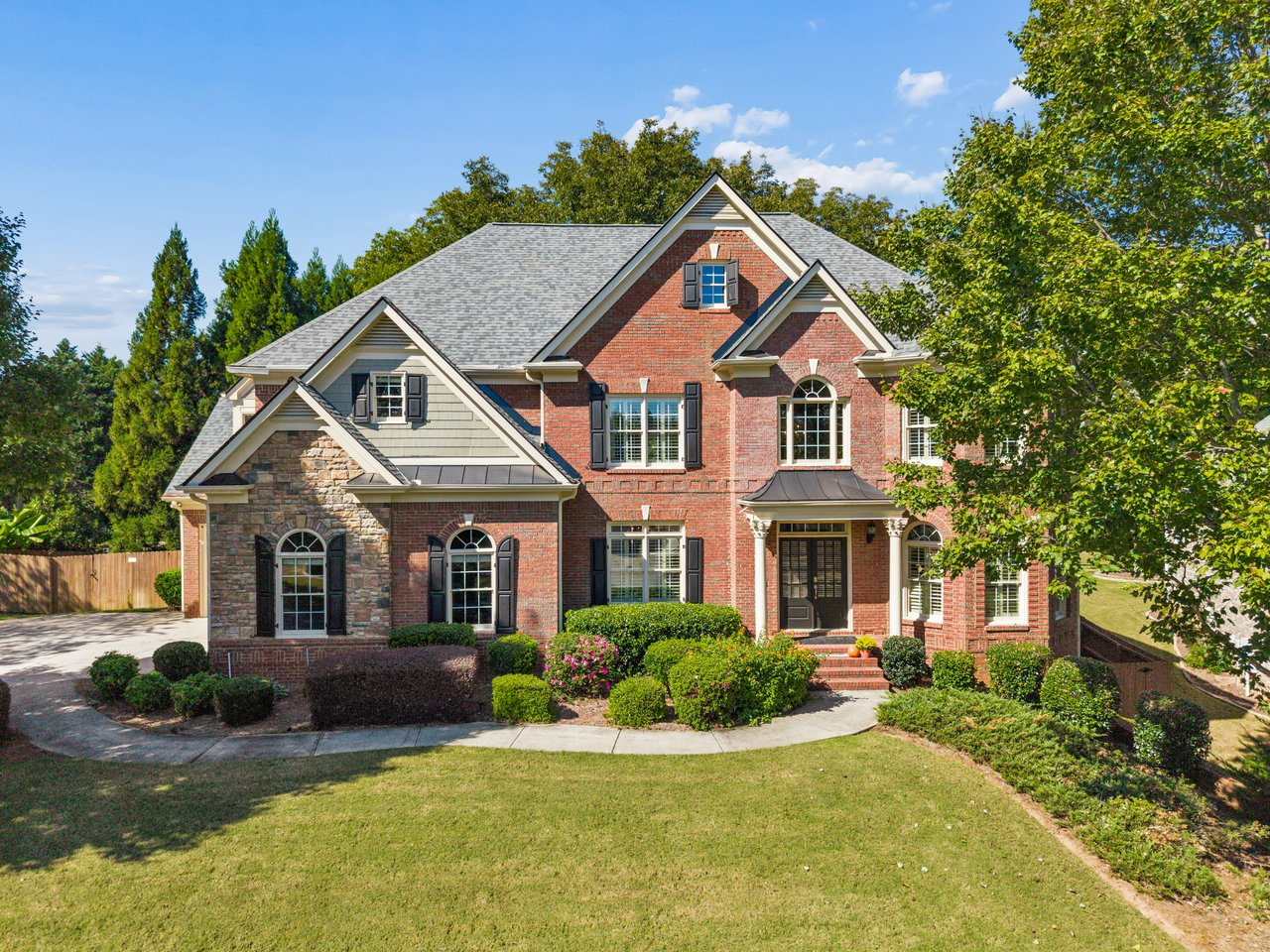
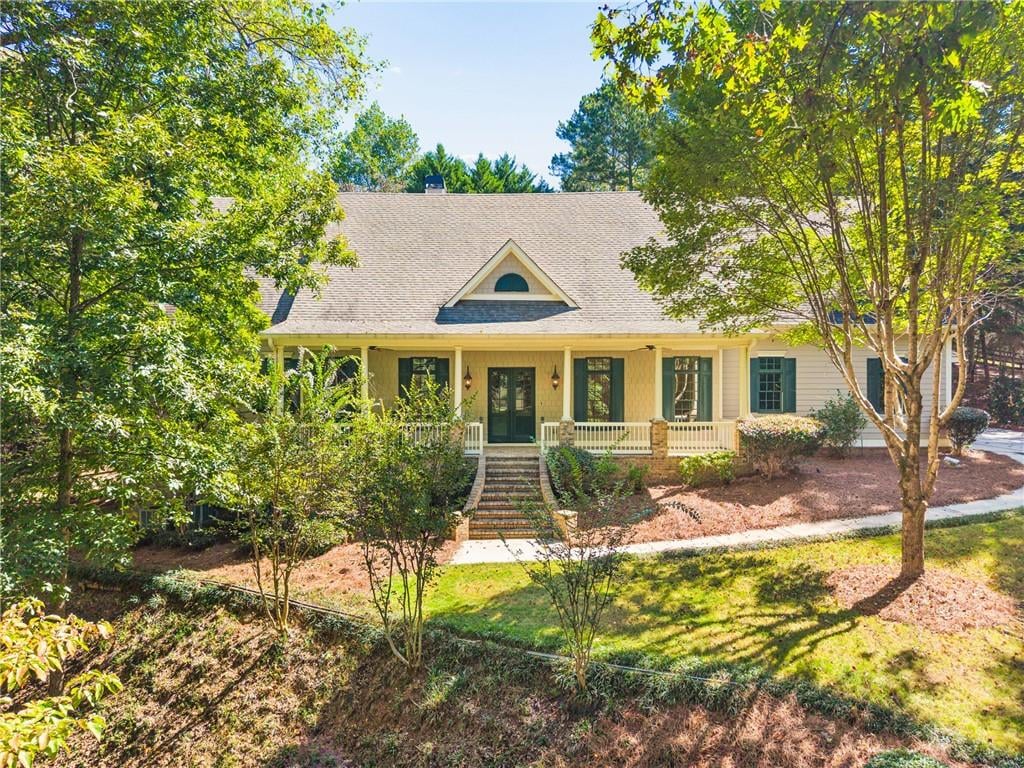
The most fundamental part of a homeowners insurance policy is dwelling coverage: the part that protects the physical structure of your home. This includes the walls, roof, floors, and other essential parts of your home’s construction. If a tree falls on your house during a storm, for instance, your dwelling coverage typically pays to repair the damage. If a fire causes destruction to part of your home, this section of the policy helps cover rebuilding costs.
Your policy also covers attached structures, such as your garage or deck, and typically includes built-in systems like plumbing, heating, and electrical components. However, it's important to check whether your policy uses "replacement cost" or "actual cash value" when covering damage. Replacement cost covers the amount needed to repair or rebuild with similar materials, whereas actual cash value accounts for depreciation, which may result in a lower payout. Understanding this distinction can mean thousands of dollars in difference during a claim — so be sure you know how your policy is structured and consider whether it’s time to upgrade.
Protection For Other Structures
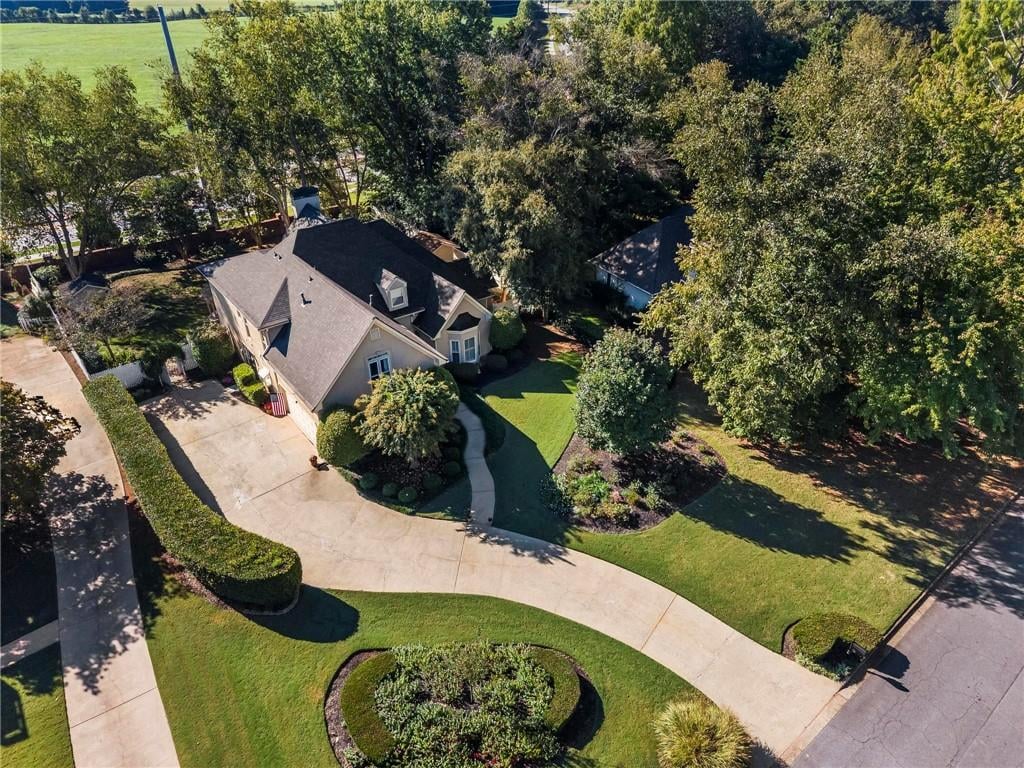
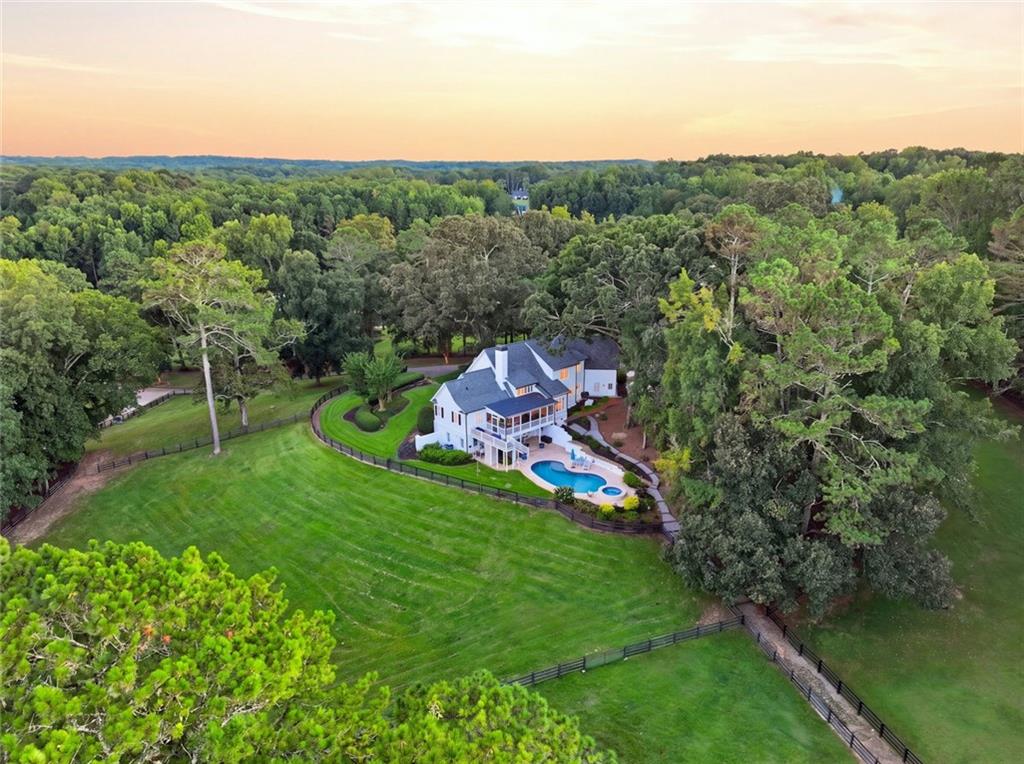
Your homeowners insurance also typically includes protection for other structures on your property that aren’t directly connected to your house. This might include a detached garage, a shed, a fence, or even a gazebo. Coverage for these structures is usually a percentage of your total dwelling coverage — often around 10 percent — but that can vary by provider and location.
For example, if your dwelling is insured for $600,000, you might have $60,000 in coverage for other structures. If a windstorm knocks over your fence or damages your backyard shed, you’d be able to file a claim under this portion of the policy.
If you’ve added new features to your property — such as a guest house, greenhouse, or large detached workshop — make sure those updates are reflected in your policy. These kinds of structures may require additional endorsements to ensure full coverage.
Personal Property Coverage
What’s inside your home matters just as much as the structure itself, and personal property coverage is designed to protect your belongings in case of damage, theft, or loss. This includes your furniture, clothing, electronics, kitchen appliances, tools, and even items stored in your garage.
Most policies cover personal property on an “actual cash value” basis, meaning that depreciation is factored into reimbursement. If your laptop was stolen, you’d receive its depreciated value — not the amount that you originally paid. Some insurers offer optional “replacement cost” coverage for personal property, which allows you to replace items with new ones of a similar kind and quality.
It’s a wise idea to create a detailed home inventory — a list or digital record of your belongings and their approximate value — to make filing a claim easier and more accurate if you ever experience a loss.
Loss Of Use Coverage (Additional Living Expenses)
If a covered event damages your home to the point that it’s uninhabitable, homeowners insurance may help pay for your temporary living expenses. This portion of the policy, known as “loss of use” or “additional living expenses” (ALE), can cover hotel stays, meals, laundry, transportation, and other costs you incur while your home is being repaired.
The coverage limit is typically set as a percentage of your total dwelling coverage. For instance, if your home is insured for $500,000 and the ALE coverage is 20 percent, you may be eligible for up to $100,000 in reimbursement while displaced.
This part of the policy can provide enormous peace of mind during a highly stressful time. It allows you to maintain a somewhat normal routine while your house is being restored without worrying about how you’ll afford a place to stay.
Liability Protection
Homeowners insurance doesn’t just cover physical damage; it also includes liability protection in case someone is injured on your property or you accidentally damage someone else’s property. If a visitor trips on your stairs and breaks a bone, liability coverage can help pay for medical expenses, legal fees, and potential settlements.
Typical policies include at least $100,000 in liability coverage, although some homeowners opt for higher limits. If your assets or income are substantial, you might consider adding an umbrella policy for additional liability protection beyond the standard limits..
What Events Are Typically Covered?
Homeowners insurance generally protects against a range of sudden and unexpected events, known as “perils.” Some of the most commonly covered perils include:
- Fire and smoke
- Windstorms and hail
- Lightning strikes
- Theft or vandalism
- Explosions
- Falling objects
- Weight of ice, snow, or sleet
- Accidental water damage (such as from a burst pipe)
- Damage from vehicles or aircraft
Your policy will list which perils are covered and which are excluded. Understanding your coverage can help you avoid surprises when it’s time to file a claim.
How To Choose The Right Coverage For Your Home
Choosing the right homeowners insurance policy involves more than picking a provider with the lowest premium. You’ll want to balance affordability with the right amount of protection for your home, possessions, and potential liabilities.
Start by determining how much dwelling coverage you need to rebuild your home based on current construction costs in your area. Then, evaluate the value of your personal belongings and choose a limit that adequately reflects their worth. Look at how much liability coverage makes sense based on your lifestyle and assets, and don’t forget to consider your risk for natural disasters.
It’s also worth reviewing your deductible — the amount you’ll pay out of pocket before insurance kicks in. A higher deductible can lower your premium, but you’ll want to make sure you can comfortably cover that amount in an emergency.
When Should You Review Or Update Your Policy?
Life changes, and your homeowners insurance should keep up. It’s smart to review your policy once a year or any time you make significant updates to your property. Renovations, additions, or major purchases — like a new home theater system — may increase the value of your home or belongings and require adjustments to your policy limits.
You’ll also want to update your policy after major life events, such as marriage. These moments often shift your insurance needs, and making sure your coverage evolves along with you can prevent frustrating gaps down the road.
Knowing Your Coverage Matters
Understanding what homeowners insurance covers isn’t just a box to check — it’s a key part of protecting your home, belongings, and financial well-being. Review your policy carefully, ask the right questions, and make sure your home is truly covered in the ways that matter most to you.
When you’re ready to start your real estate journey in Roswell, GA, reach out to
Angela Medley for expert guidance, from insurance to negotiations and beyond.