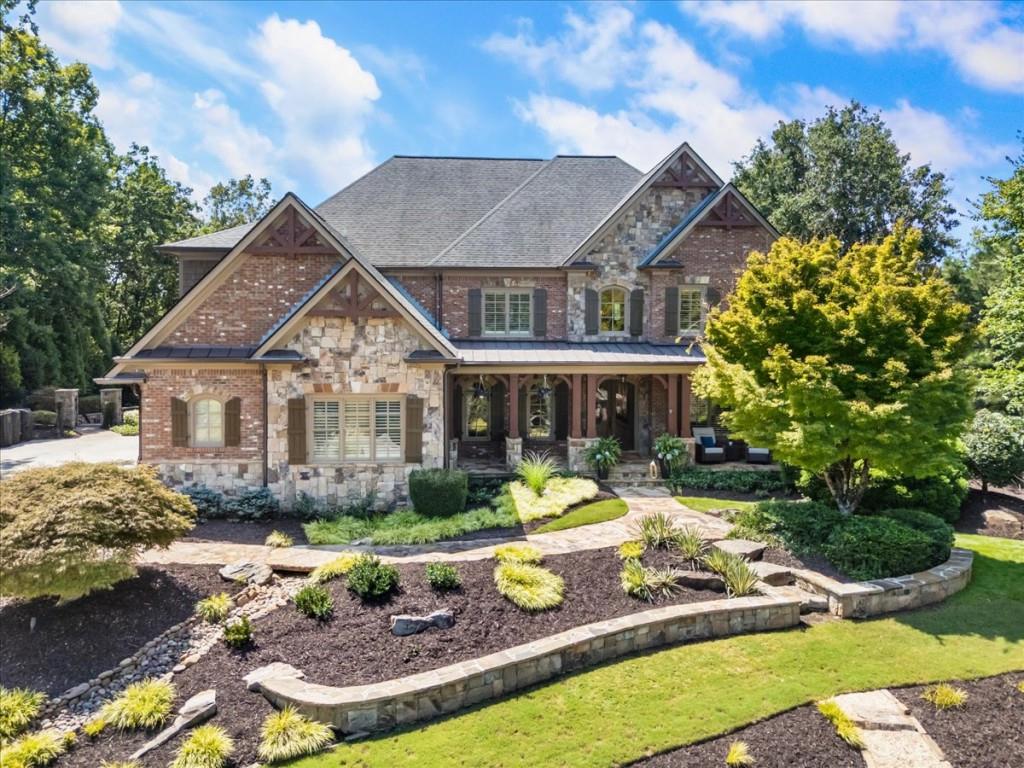
Selling your home in Roswell, GA, is a significant milestone, and preparing for it for success can mean the difference between a smooth, profitable transaction and one filled with delays and stress. A pre-listing inspection is one of the most powerful tools at your disposal to gain the upper hand in the selling process. While buyers typically order their own inspection after their offer is accepted, a pre-listing inspection gives you insight, leverage, and peace of mind.
Think of it this way — would you rather find out about hidden issues and complete repairs under a rushed timeline, or would you prefer to take care of them on your own terms, before the buyer even steps through the door? This guide will break down exactly what a pre-listing inspection covers, how it works, and why it can save you money, time, and stress.
What Is a Pre-Listing Inspection?
A pre-listing inspection is a professional assessment of your home’s condition before you put it on the market. Unlike a buyer’s inspection, which takes place during the contingency period, a pre-listing inspection is entirely voluntary and initiated by you as the seller.
The goal is to identify any existing or potential issues with your property so that you can address them early or be prepared to negotiate accordingly.
By getting ahead of the process, you’ll have a clearer picture of your home’s condition and what might come up later. Whether it’s a plumbing concern or a roofing issue, knowing what you’re working with gives you control. It also demonstrates transparency and confidence to potential buyers, which can help generate stronger offers and quicker closings.
What Does a Pre-Listing Inspection Include?
A comprehensive pre-listing inspection covers the same major components that a buyer’s inspection would. These typically include:
- Roof condition, age, and materials
- HVAC systems — heating and cooling functionality and age
- Electrical panel, outlets, switches, and visible wiring
- Plumbing system, including pipes, water heaters, and fixtures
- Foundation integrity and visible structural concerns
- Windows, doors, insulation, and ventilation
- Attic and crawl spaces, if accessible
- Drainage, grading, and exterior elements like siding and gutters
The inspector will walk through your home and document any findings, taking notes, photos, and measurements as needed. You’ll receive a detailed report outlining the issues, suggested repairs, and overall condition ratings for each major system.
Why It Pays to Be Proactive
One of the most significant advantages of a pre-listing inspection is eliminating surprises. By identifying issues early, you can choose how to respond — whether that means addressing repairs ahead of time or factoring them into your asking price. Either way, you maintain control of the process.
Without a pre-listing inspection, a buyer might discover an issue later and use it to negotiate a lower price or ask for costly repairs. Worse, it could cause the deal to fall through entirely. By handling things ahead of time, you can present your home as move-in ready and well cared for, which creates trust and confidence for buyers.
Even if the inspection reveals multiple repairs, you have time to shop around for competitive quotes, schedule work with your preferred contractors, and ensure the quality meets your standards — instead of scrambling during escrow.
Boosting Your Home’s Marketability
When buyers know that a pre-listing inspection has been completed, they walk into your home with a greater sense of trust. You’re not just telling them your house is in great shape — you’re showing them. It reduces doubt, helps your listing stand out, and supports your pricing.
You can even share the inspection report with interested buyers, highlighting any improvements you’ve already made. This can shorten the due diligence period, help you avoid drawn-out negotiations, and make your property more appealing compared to others on the market.
If your home is in excellent condition, the inspection becomes a powerful marketing tool. If it needs work, you can be upfront, control the messaging, and manage expectations — which often leads to smoother deals and fewer complications.
Deciding What to Fix (And What to Disclose)
After the inspection, you'll receive a detailed report outlining the findings. Not every issue needs to be fixed right away, but some clearly warrant attention. For example, structural problems, water damage, or outdated wiring should be prioritized. Small cosmetic flaws or older appliances, on the other hand, can often be disclosed rather than repaired.
Use this report to weigh the cost of repairs against their potential impact on buyer perception and final sale price. Repairs that eliminate buyer objections and enhance your home’s appeal often deliver the strongest return on investment.
When in doubt, your real estate agent can help you prioritize what’s worth fixing, what can be left as-is, and how to communicate the results to potential buyers. In many cases, a combination of repairs and honest disclosures creates the smoothest path forward.
When to Schedule Your Inspection
The ideal time to schedule your pre-listing inspection is at least several weeks before you plan to list your home for sale. This gives you time to review the report, discuss strategy with your real estate agent, and take care of any necessary repairs or improvements.
If you plan to do significant work, scheduling the inspection earlier is even better. It allows for project planning, permits, contractor scheduling, and follow-up inspections, if needed. You’ll avoid last-minute stress and be able to present your home confidently to buyers from day one.
Ready, Set, Inspect
A pre-listing inspection empowers you to sell your home with confidence, clarity, and control. It’s not just about uncovering problems — it’s about creating a strategy that highlights your home’s strengths and handles potential roadblocks before they become deal-breakers. By being proactive, transparent, and strategic, you can set the stage for a smoother, more successful transaction. And, if you’re ready for a streamlined home sale in Roswell, GA, reach out to
Angela Medley for trusted guidance.